
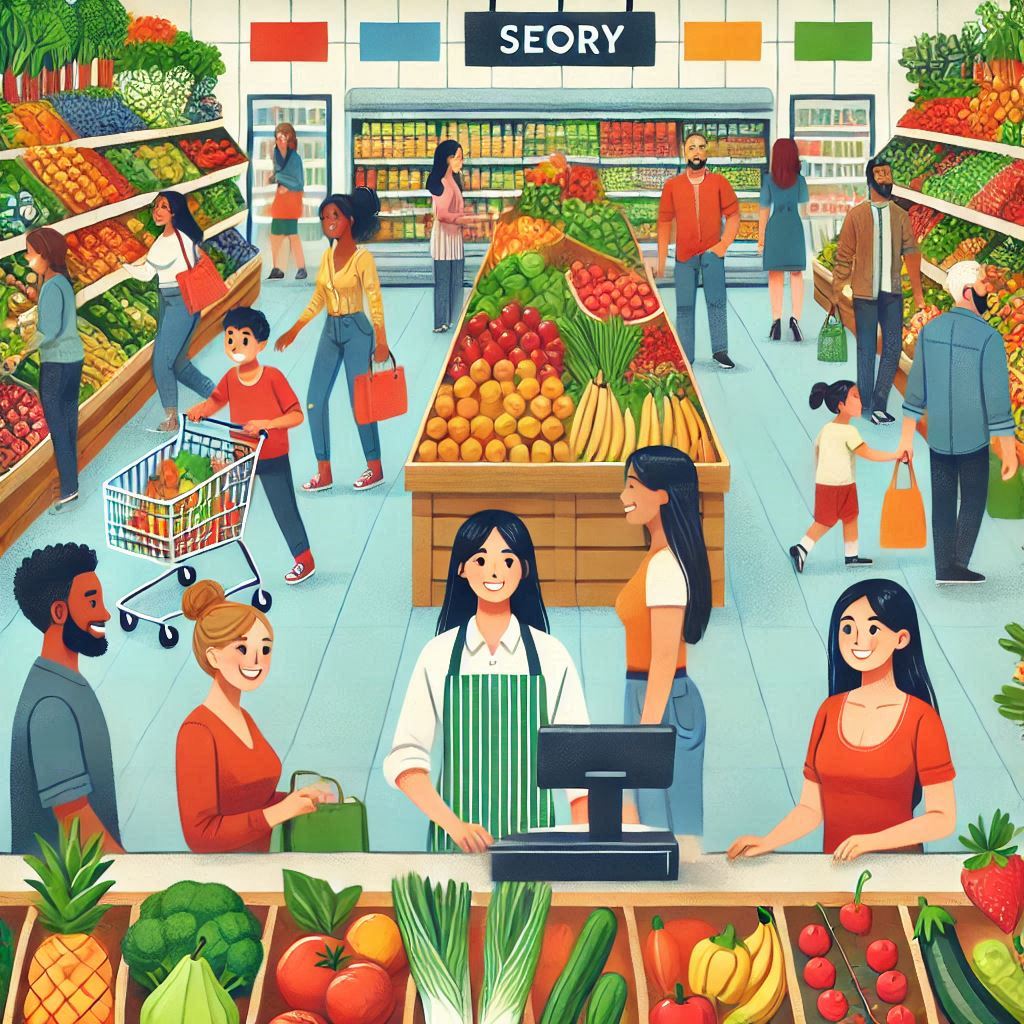
Being a Grocery Store Employee: The Pros and Cons.
Working as a grocery store employee can offer a mix of pros and cons depending on the specific role, the work environment, and personal preferences. Here’s a breakdown of some common advantages and disadvantages:
Pros:
- Job Stability and Demand:
- Essential Industry: Grocery stores provide essential services, which means there’s usually consistent demand for employees, even during economic downturns or emergencies.
- Flexible Hours: Many grocery stores offer flexible scheduling, including part-time, evening, and weekend shifts. This can be ideal for students or individuals looking for a second job.
- Entry-Level Opportunities:
- Low Barriers to Entry: Many grocery store positions don’t require extensive experience or education, which can make it easier to get hired.
- Training Provided: Many employers offer on-the-job training for various roles (cashier, stocking, customer service), which can help employees gain valuable skills.
- Social Interaction:
- Customer Interaction: For those who enjoy working with people, grocery stores offer a lot of customer interaction, which can be satisfying if you like helping others.
- Team Environment: Grocery stores often have a supportive, team-oriented atmosphere. You’ll work alongside colleagues, which can create a sense of camaraderie.
- Employee Discounts:
- Discounts on Groceries: Many grocery stores offer discounts on store products for employees, which can be a significant perk.
- Benefits Packages: Larger grocery chains may provide benefits such as health insurance, retirement plans, and paid time off, even for part-time employees.
- Opportunities for Advancement:
- Room for Growth: Many grocery stores promote from within, so entry-level employees can move up to supervisory, management, or specialized roles.
- Skill Development: You can gain valuable skills in customer service, inventory management, cash handling, and problem-solving that could be useful in other retail or service industries.
Cons:
- Physically Demanding:
- Lifting and Standing: Many grocery store jobs, especially stocking or bagging, require a lot of physical labor. You may need to lift heavy boxes, stand for long periods, or walk around the store, which can be tiring.
- Long Shifts: Some shifts can be long, and working on holidays or weekends is common, which might not be ideal for people with other commitments.
- Low Pay (in Some Cases):
- Hourly Wages: Many grocery store positions are hourly and may not offer a high wage, particularly for entry-level workers. Pay can vary by region and the specific employer, but it often doesn’t provide a comfortable living wage without additional hours.
- Limited Benefits for Part-Time Workers: If you’re a part-time employee, you may not receive full benefits, such as health insurance or paid time off, which can make the role less financially appealing.
- Stressful Interactions:
- Customer Complaints: Working in customer service means dealing with unhappy or difficult customers, which can be stressful. Whether it’s price discrepancies, out-of-stock items, or long lines, you’ll often be expected to stay calm and resolve issues.
- Dealing with Crowds: On weekends or holidays, grocery stores can be crowded, which can add to the stress, especially during peak hours like after work or before holidays.
- Monotonous Tasks:
- Repetitive Work: Some roles, like stocking shelves or bagging groceries, can become repetitive over time. The routine can feel monotonous, especially if you’re in the same position for an extended period.
- Shift Work: Early morning or late-night shifts might be necessary in some stores, which could disrupt your sleep schedule or personal life.
- Limited Control Over Environment:
- Management Issues: Depending on your workplace, you may encounter poor management practices, such as unclear communication or micromanagement, which can make the job less enjoyable.
- Workplace Conditions: The physical environment can vary—some stores are well-lit and clean, while others may be poorly maintained, with temperature extremes in certain departments (e.g., freezers or the deli area).
- Health Risks:
- Exposure to Illnesses: Working in a customer-facing role increases the likelihood of coming into contact with people who are sick, especially during flu seasons or pandemics.
- Repetitive Stress Injuries: Repeated physical tasks, like bagging groceries or stocking shelves, can lead to injuries like wrist strain or back pain if proper ergonomics aren’t followed.
Summary:
Being a grocery store employee can offer benefits like flexible hours, job stability, and opportunities for advancement, but it also comes with challenges such as low pay (in some cases), physical demands, and dealing with stressful customer situations. Whether it’s a good fit depends on your personality, career goals, and what kind of work environment you thrive in.
Leave your comment