
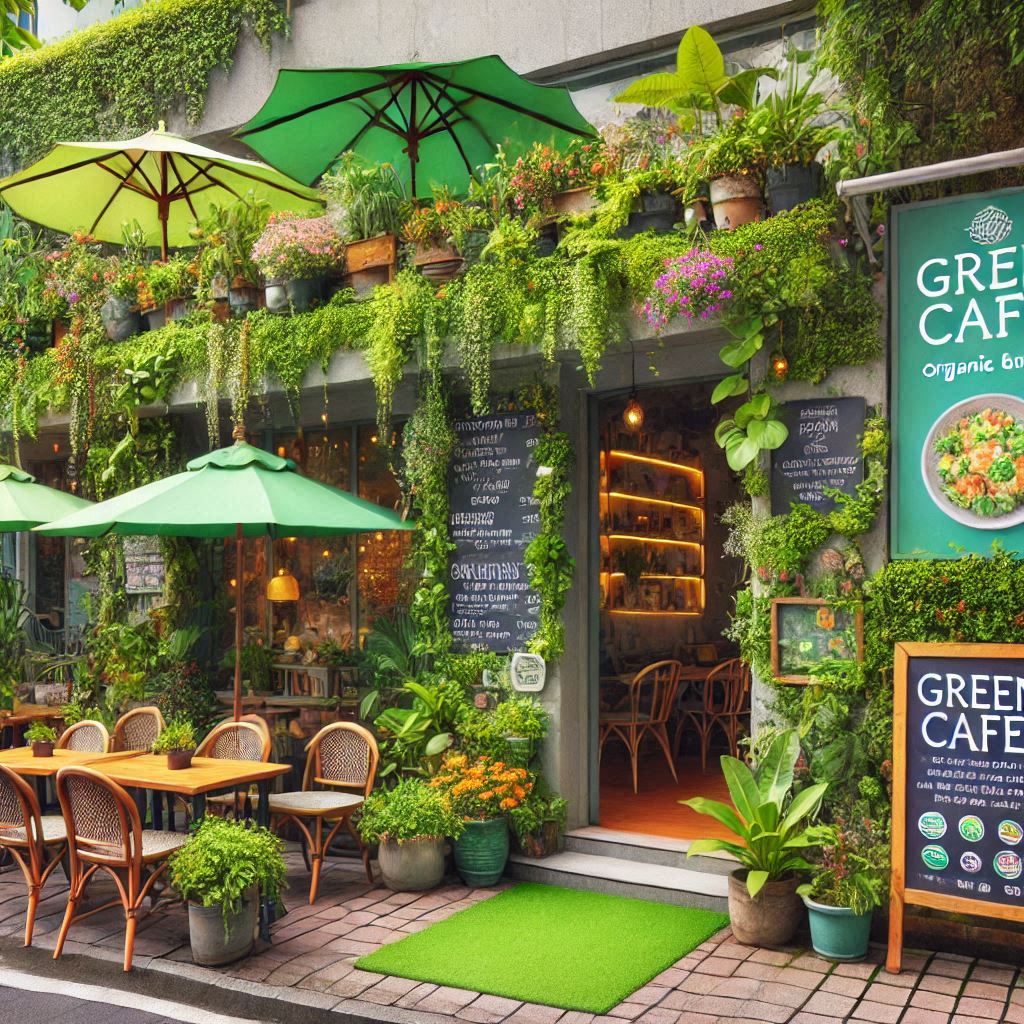
How to Start a Cafe: A Step-to-Step Guide
Starting a café can be a rewarding and exciting venture. With the right planning, location, and approach, your café can become a go-to spot for locals and visitors. Here’s a step-by-step guide on how to start your café:
1. Develop a Business Plan
A solid business plan is essential for guiding your café’s operations and securing funding. Your plan should include:
- Concept and theme: What type of café will it be? Will it focus on high-end coffee, pastries, or healthy options? Will it have a specific theme (e.g., vintage, modern, cozy)?
- Market research: Analyze your target market (age, income, preferences) and competition in the area. This will help you understand the demand and differentiate your café.
- Menu design: Decide on the menu items you’ll offer, such as specialty coffee, tea, sandwiches, cakes, or breakfast dishes. Consider offering options for dietary preferences (e.g., vegan, gluten-free).
- Financial plan: Estimate initial investment (rent, equipment, renovations, inventory) and forecast expenses, revenue, and profit margins. Include startup costs, such as permits, licenses, and insurance.
- Marketing strategy: Outline how you’ll promote your café to attract customers (social media, flyers, local advertising, etc.).
2. Secure Funding
Starting a café can require a significant upfront investment. Some potential funding options include:
- Personal savings: If you have savings set aside, you can use them to cover your startup costs.
- Bank loans: You may be able to secure a loan from a bank or credit union to fund your café. You’ll need a solid business plan to present to lenders.
- Investors: Seek investors who believe in your café concept and are willing to provide capital in exchange for equity.
- Crowdfunding: Platforms like Kickstarter or GoFundMe allow you to raise funds from a large number of people.
3. Choose a Location
The location of your café is crucial to its success. Consider the following:
- Foot traffic: Choose a location with high pedestrian traffic, such as near busy streets, universities, offices, or shopping areas.
- Size and layout: Ensure the space is large enough to accommodate seating, a kitchen, and a café counter but not so large that it’s difficult to manage.
- Ambiance: The space should match your concept and theme. A cozy, intimate setting might be ideal for a small neighborhood café, while a sleek, modern space could work for a larger urban café.
- Accessibility: Ensure that the café is easily accessible by foot, car, and public transport. Consider parking availability for customers who drive.
- Rent and lease terms: Negotiate a favorable lease and ensure the rent is within your budget.
4. Obtain Permits and Licenses
Starting a café involves obtaining several permits and licenses:
- Business registration: Register your café with the relevant local or national authorities (e.g., Australian Business Number (ABN) in Australia, or register your business name with your state in the U.S.).
- Food business license: Apply for a food license from your local council or health authority. This will involve a food safety inspection to ensure your café meets hygiene and health standards.
- Liquor license: If you plan to serve alcohol (e.g., wine, beer), you’ll need a liquor license.
- Music and entertainment licenses: If you plan to play music, have live performances, or host events, you may need entertainment or music licensing.
- Other permits: Depending on the location, you may also need zoning permits, outdoor seating permits, or health and safety certifications.
5. Design Your Café
The design of your café should reflect your brand and appeal to your target customers:
- Interior design: Choose furniture, lighting, and décor that align with your café’s theme and create a welcoming atmosphere. Consider comfortable seating, decorative elements, and the overall ambiance.
- Layout: Plan the layout for the kitchen, counter space, seating area, and flow of customer traffic. The layout should be efficient for staff while providing a comfortable and inviting space for customers.
- Signage: Ensure your café has visible and attractive signage that communicates the name and theme of your business.
6. Source Equipment and Supplies
Your café will need a variety of equipment and supplies to operate efficiently:
- Coffee equipment: Invest in high-quality coffee machines (espresso machines, grinders, brewers) and accessories like milk frothers, tampers, and filters.
- Kitchen equipment: Depending on your menu, you may need ovens, refrigerators, toasters, blenders, and other kitchen appliances for preparing food items.
- Furniture: Purchase tables, chairs, and counters. Choose durable, comfortable furniture that complements your café’s design.
- POS system: Invest in a point-of-sale (POS) system to track sales, inventory, and manage transactions. Many modern POS systems integrate with accounting software.
- Supplies: Order initial stock of coffee beans, tea, milk, sugar, pastries, bread, and other ingredients based on your menu.
7. Hire Staff
Hiring the right team is essential for delivering a great customer experience:
- Baristas: Hire skilled baristas who understand how to craft excellent coffee drinks. Look for people who are passionate about coffee and have experience using espresso machines.
- Kitchen staff: If you plan to serve food, hire chefs or kitchen assistants who can handle food prep, cooking, and maintaining food quality.
- Servers: Friendly and efficient waitstaff can enhance the customer experience and increase repeat business.
- Management: Depending on the size of your café, you may need a manager to oversee daily operations, scheduling, and inventory management.
8. Marketing and Branding
Building a customer base for your café is key to long-term success:
- Brand identity: Develop a clear brand identity, including a logo, color scheme, and overall vibe for your café. This should be consistent across all your marketing materials.
- Website: Create a professional website that provides information about your café, menu, location, and hours. Include an option for customers to make reservations if applicable.
- Social media: Use social media platforms (Instagram, Facebook, TikTok) to showcase your café’s food, drinks, and atmosphere. Share customer testimonials, promotions, and updates to engage followers.
- Local marketing: Use flyers, posters, or collaborate with nearby businesses to raise awareness of your café. Consider running opening promotions or discounts.
- Loyalty program: Implement a loyalty or rewards program to encourage repeat business. Offer discounts or free items after a certain number of visits.
9. Launch Your Café
- Soft opening: Consider hosting a soft opening to test your café’s operations, make adjustments, and generate early feedback from customers. Offer discounted food and drinks to attract customers during the soft launch.
- Grand opening: Plan a grand opening event with special promotions, giveaways, or live entertainment to attract attention and build excitement around your new café.
- Monitor feedback: Pay attention to customer feedback and make improvements as needed. Consider surveys, online reviews, and customer comments to refine your offerings.
10. Focus on Quality and Customer Service
- Consistency: Offer consistent, high-quality products and service. Make sure your coffee, food, and customer service meet high standards every day.
- Engage customers: Build relationships with your customers and create a welcoming environment. A friendly atmosphere and great service will encourage repeat visits.
- Continuous improvement: Regularly assess your menu, pricing, and customer satisfaction. Keep up with trends in the café industry and consider updating your menu, offering seasonal items, or hosting events to keep things fresh.
Final Thoughts
Starting a café is a rewarding business venture, but it requires careful planning, financial investment, and hard work. By following these steps and maintaining a focus on quality, customer service, and marketing, you can increase your chances of building a successful café that attracts and retains loyal customers.
Leave your comment